
Weather and Climate
Seasons, temperatures and the best times of year to discover Senegal.
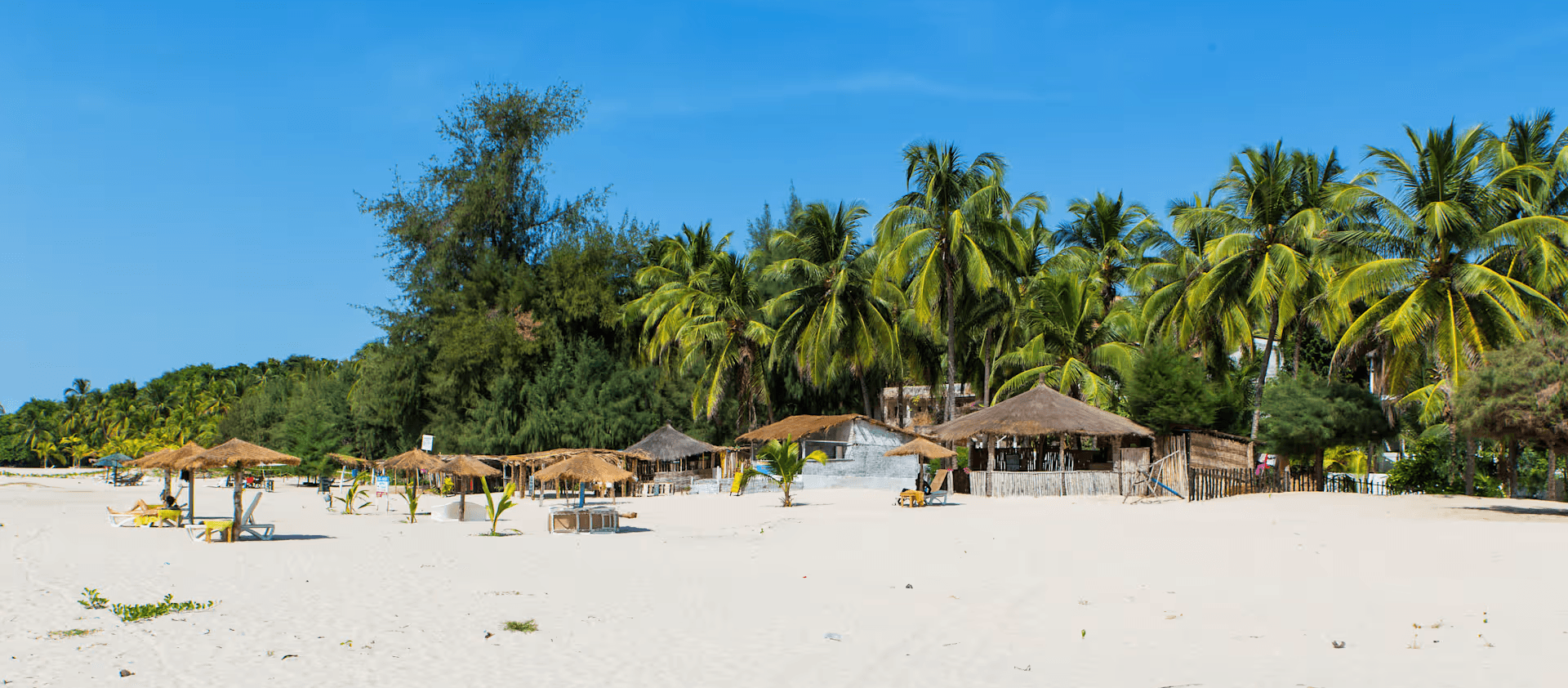
A land of sunshine, Senegal enjoys more than 3,000 hours of sun a year and 700 km of Atlantic coastline. Its tropical climate, softened along the coast by trade winds, makes it a pleasant destination almost all year round.
The dry season
From November to May, skies are clear and the air is dry. On the coast, maritime trade winds keep temperatures remarkably mild; inland, the harmattan, a hot wind from the Sahara, dries the air. It is the high season for tourism and for watching migratory birds.
- November to May — clear skies and dry air
- Trade winds on the coast, harmattan inland
- The recommended period to explore the country
The rainy season (hivernage)
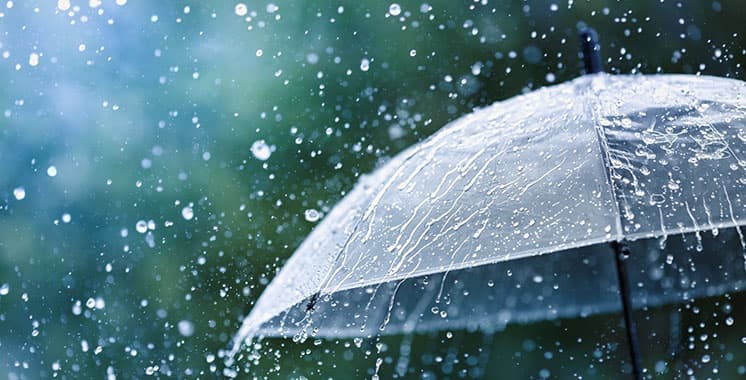
From June to October, the hivernage brings heat and rain, often short and stormy. Nature turns spectacularly green again: the rice paddies of Casamance, the savannas of Ferlo and the orchards of the Niayes regain their brilliance. A season loved by photographers and lovers of lush landscapes.
- June to October — short, stormy showers
- Lush landscapes and superb light
Temperatures
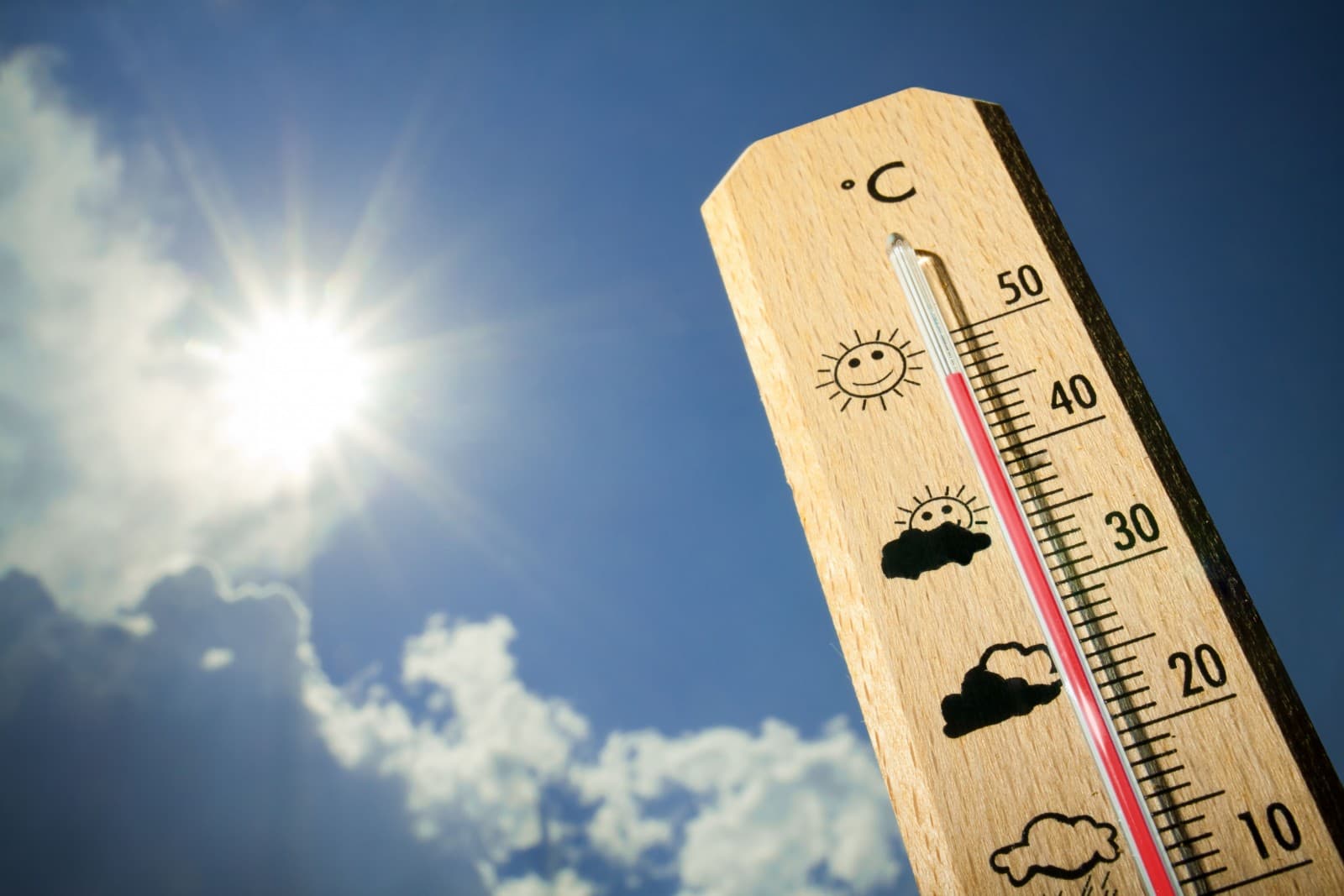
The Atlantic seaboard enjoys a surprisingly temperate climate: Dakar ranges between 24 °C and 30 °C all year round. The interior is more contrasted, with peaks above 40 °C between March and June around Tambacounda or Matam. Sea temperature varies from 20 °C in February to 28 °C in October.
- Coast: 24–30 °C all year round
- Inland: up to 40 °C from March to June
- Sea: from 20 °C (February) to 28 °C (October)
Tips for visitors
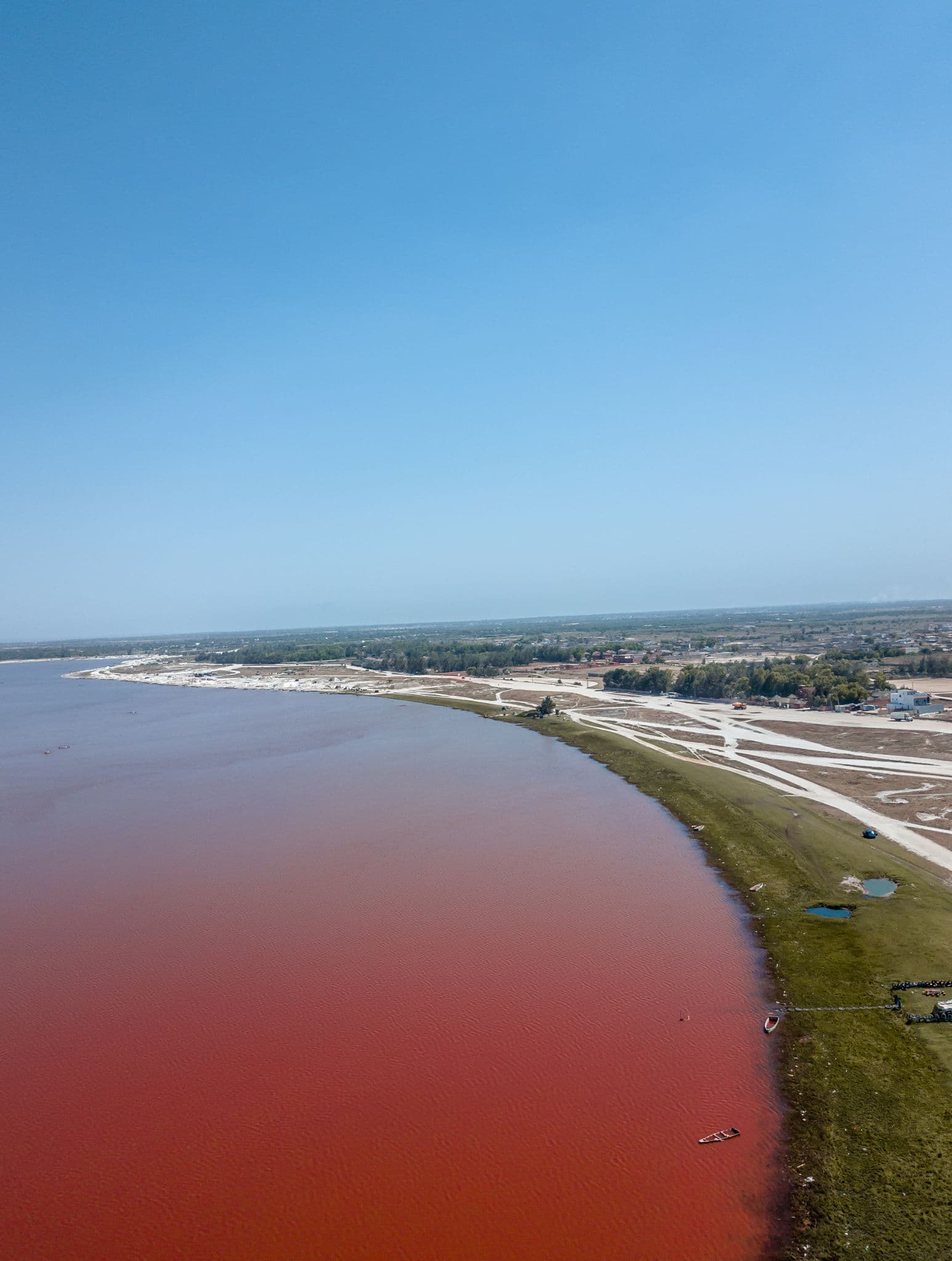
For a first stay, favour the period from November to February: dry weather, moderate heat, migratory birds at Djoudj and the Pink Lake at its most vivid. Beach lovers will enjoy March to May on the Petite Côte, and the hivernage will appeal to travellers seeking greenery.
- Best period: November to February
- Sun protection and hydration are essential
- Light clothing, with a sweater for December-January evenings
- Pack a light raincoat during the hivernage